
A safe, creative space for your child to grow, heal, and develop essential coping skills.
When children are struggling, they often lack the vocabulary to explain what is happening inside. We provide a specialized environment where your child can safely explore their emotions, build resilience, and find their voice through creative expression.
Why Art and Play Over Talk Therapy?
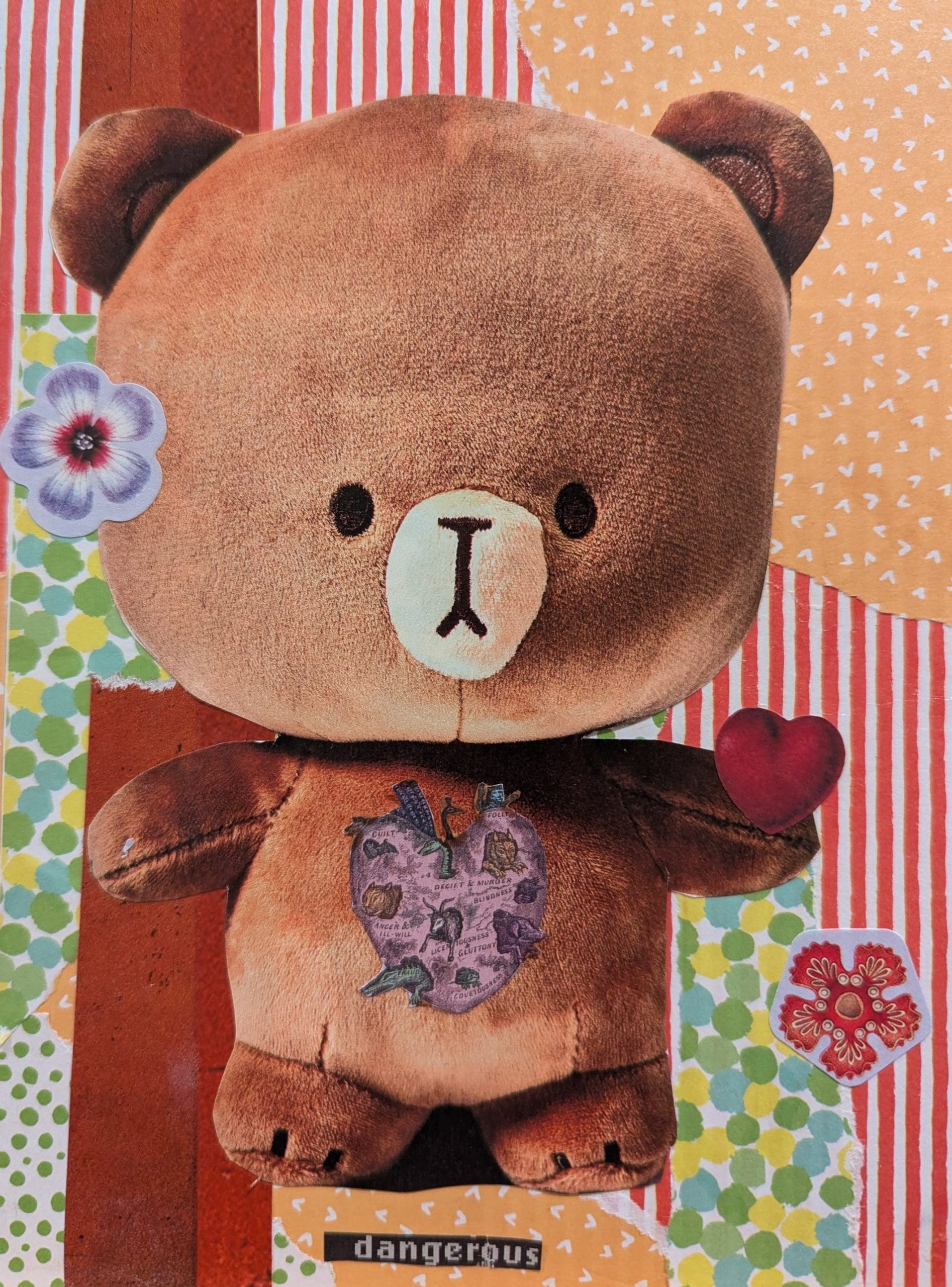
Play and creativity are the primary languages of young minds.
Children experience complex emotions, but their brains are still developing the language centers needed to vocalize them. Play and creative expression aren’t just recreational—they are how young minds naturally communicate. Instead of forcing them to find words, we meet them where they are comfortable.
The Evidence: Medical experts at UNC Health emphasize that creative play helps children process and express internal feelings they cannot yet put into words.
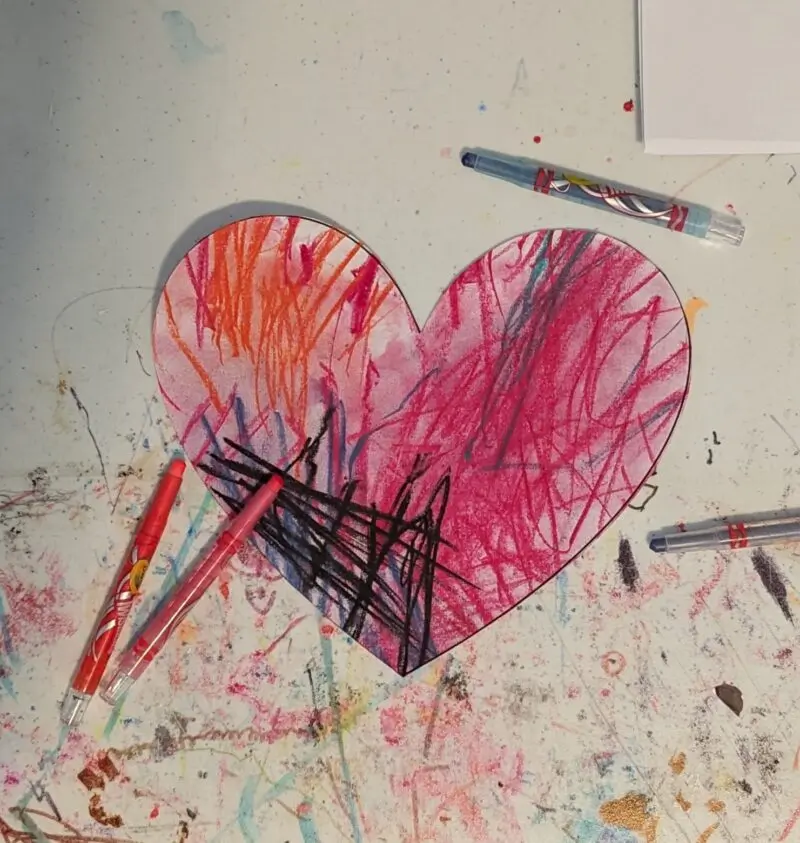
It Regulates the Nervous System First
When a child is anxious or overwhelmed, the brain’s emotional centers take over, throwing logic offline. Talk therapy relies on conversation to solve an emotional issue. Art and play use sensory, hands-on mediums to calm the nervous system first, grounding the body so the mind can follow.
The Evidence: This approach directly aligns with the Neurosequential Model of Therapeutics, proving that emotional healing must start with sensory regulation before verbal changes can take root.
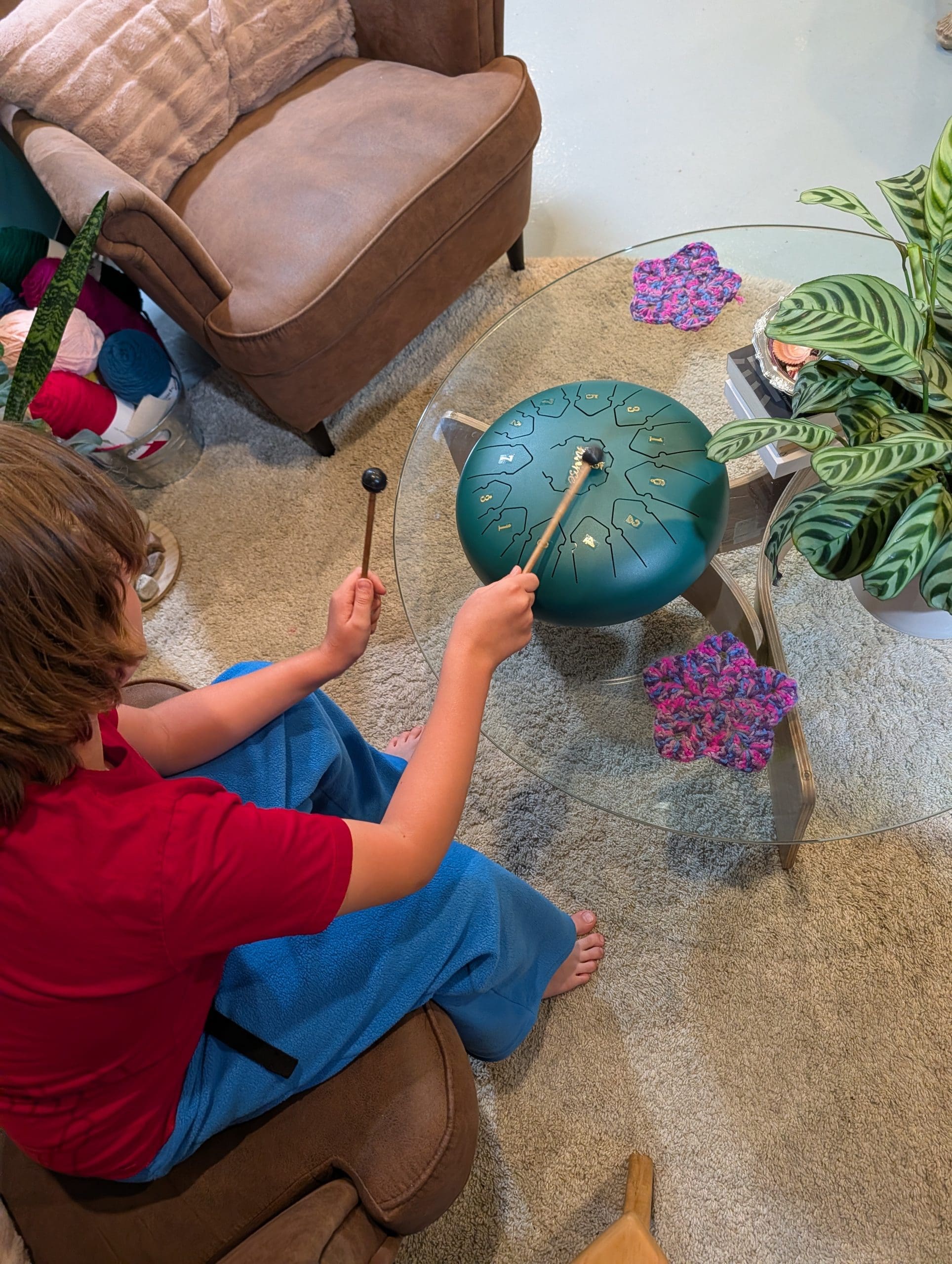
It Builds Lifelong Resilience
Using clay, paint, or sand trays allows children to externalize their struggles. Creating a physical representation of a “big feeling” gives them distance from it. This process builds self-regulation, problem-solving, and emotional coping tools that transfer seamlessly to home and school.
The Evidence: Developmental research from the Harvard Center on the Developing Child shows that responsive, play-based interactions are the primary building blocks for developing psychological resilience.

It Lowers Their Defences
When children feel pressured to explain “what’s wrong,” they often shut down, get defensive, or say “I don’t know.” Art-making shifts the dynamic. The focus is safely placed on the canvas or materials, turning a high-pressure clinical conversation into an empowering, creative exploration.
The Evidence: Clinical data from Acorn Counselling reinforces that this developmentally appropriate framework processes childhood stress and fosters emotional intelligence far more effectively than traditional talk therapy.
Our Child-Centered Approach
Therapy should never feel like a classroom or an interrogation. We practice a strictly child-centred approach, meaning we follow your child’s lead during our sessions. By allowing them to guide the creative process, we foster a deep sense of autonomy and trust. The studio becomes a dedicated space where they feel completely safe expressing themselves, making messes, and exploring their inner world without judgment.
FAQs


Developing Coping Skills and Emotion Regulation
Through guided art-making and somatic grounding tools, we help children navigate big feelings. As they paint, build, or draw, they are actively learning how to:
- Identify and name complex emotions.
- Self-regulate their nervous systems during moments of stress.
- Increase their frustration tolerance.
- Develop healthy, adaptable coping mechanisms that can translate into their daily lives at home and at school.