


A beautiful metaphor
Working with Trees in Art Therapy
How Trees Ground Us in Art Therapy
Trees can comfort us. Their patterned forms, the rhythmic rustle of leaves, and the complex textures of their bark embody strength, growth, and our connection to a greater whole. This deep significance is why trees resonate so powerfully in art therapy.
Creative exploration using tree imagery can have a profound impact on individuals seeking healing and self-discovery. Whether through drawing, painting, sculpting, or even simply observing, the tree ara profounchetype offers a rich tapestry of associations that can unlock emotions, foster insights, and promote a sense of groundedness.

Symbolic of Life and Growth
Trees represent the profound cycle of life, beginning as a simple seed, transitioning through vigorous growth, experiencing seasons of shedding, and ultimately embracing renewal. This metaphor aligns beautifully with our personal journeys, offering us a chance to delve into themes of growth, resilience, and transformation.
Structure and Form
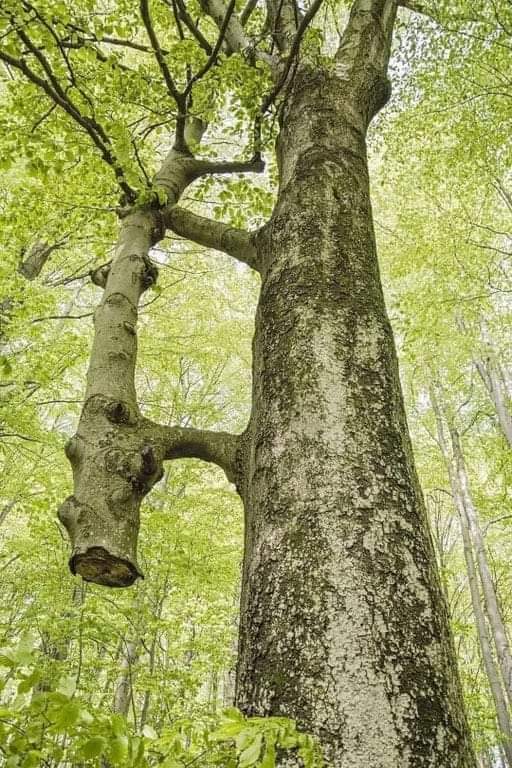
The different parts of a tree—roots, trunk, branches, and leaves—provide a natural framework for exploring various aspects of nature. the self.
Leaves/Foliage: Can represent our experiences, thoughts, and emotions, which are always changing with the seasons of life.
Roots: Can symbolize our past, our heritage, our support systems, and what grounds us. Exploring roots can help us understand our foundations.
Trunk: Represents our present self, our core strength, and how we stand in the world.
**Branches: Can signify our connections to others, our aspirations, and the different paths we might take.
Containment and Boundaries
A tree stands as an individual entity, but it is part of a larger ecosystem. This serves as a powerful metaphor for understanding personal boundaries, self-worth, and our relationship with the world around us.
Adaptability and Resilience
Trees are remarkable survivors, gracefully enduring storms, droughts, and seasonal shifts. Their ability to bend without breaking and renew their leaves can inspire us to cultivate resilience and embrace hope amidst challenges, reminding us all of nature’s incredible strength.
Trees in Practice: Simple Art Therapy Invitations
Please note that art therapy prompts can evoke difficult emotions. When exploring creatively, please ensure you have support available.

Draw your life as a tree
Drawing prompt
The Tree of Life art prompt, which came out of the Dulwich Centre, helps us explore our strengths, hopes, and support systems.

Create a tree that represents your inner strength
drawing/sculpture
This prompt invites us to focus on positive attributes and resilience.

Paint a seasonal tree that reflects how you’re feeling today
Drawing/painting/sculpture
This experiential allows for emotional expression through colour and form.

Find a piece of bark or a leaf and create an artwork inspired by its texture
Sculpture/mixed-media
This prompt encourages sensory engagement and mindfulness while connecting with nature through natural materials..
BEYOND THE CANVAS
The Ongoing Dialogue
The beauty of using trees in art therapy isn’t just in the creation of the artwork itself, but in the dialogue it sparks. Once the image is complete, we explore what emerges: “Tell me about your tree. What do the roots represent? What kind of season is it experiencing? What challenges might it face, and how does it adapt?”
The answers to these questions often provide profound insights, helping us to externalize our inner worlds, gain new perspectives, and ultimately, find strength and a sense of belonging.
So next time you find yourself gazing at a majestic oak or a delicate willow, consider the quiet wisdom they hold. And perhaps, if you’re seeking a path to self-discovery, consider how a simple tree, expressed through art, might help you unearth your own deep roots and reach for the sky.
Leave a Reply